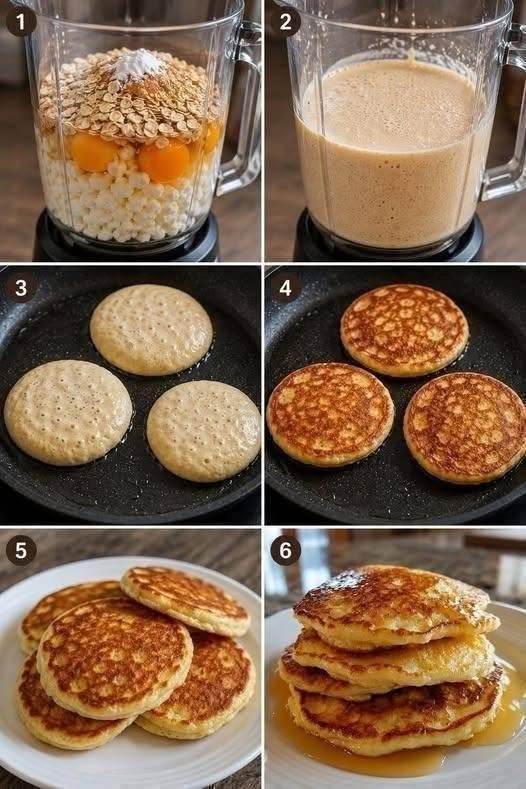

A low-carbohydrate breakfast does not have to revolve around eggs, cheese, or savory dishes. You can still enjoy pancakes while following a carbohydrate-conscious eating pattern by replacing traditional wheat flour and sugar with ingredients that contain fewer digestible carbohydrates. These fluffy keto pancakes are tender, lightly sweet, satisfying, and easy enough to prepare for a relaxed weekend breakfast.
Traditional pancakes rely heavily on wheat flour to create their familiar structure and texture. Wheat flour contains starch, which combines with liquid and heat during cooking to form the characteristic pancake consistency. Keto pancakes need a different approach because almond flour behaves differently from wheat flour. It contains much less starch and does not develop gluten, so ingredients such as eggs and baking powder become especially important for providing structure and lift.
The main ingredient in this recipe is finely ground blanched almond flour. It gives the pancakes a mild nutty flavor and rich texture while providing protein, fat, and fiber. Eggs help hold everything together, while baking powder creates bubbles that make the pancakes lighter. Unsweetened almond milk adds the moisture needed for the batter without contributing the amount of carbohydrates found in regular milk.
The cooking technique is equally important. Almond-flour pancakes can brown fairly quickly because almond flour naturally contains fat, so a gentle cooking temperature works better than a very hot skillet. Making smaller pancakes also makes the process easier because the batter is more delicate and can break if you attempt to flip it too early.
Why Almond Flour Is a Good Choice
Almond flour is produced by finely grinding almonds. Blanched almond flour comes from almonds with their skins removed, and it generally creates a smoother appearance and texture than coarse almond meal when used in baked or pan-cooked recipes.
Its relatively low starch content makes almond flour useful for recipes designed to reduce carbohydrates. At the same time, its naturally rich flavor means you only need a modest amount of butter or another topping to make the pancakes taste satisfying and indulgent.
Almond flour also absorbs liquid differently from wheat flour. Because of this, the batter can look slightly unusual immediately after mixing. Allowing it to rest for several minutes gives the flour time to absorb moisture and helps the batter become more cohesive.
The Role of Eggs
Eggs are an essential part of this recipe rather than simply another source of protein. Since almond flour does not contain gluten, eggs provide much of the structure that conventional pancakes normally receive from wheat-based ingredients.
As the pancakes heat, the egg proteins become firm and help the batter maintain its shape. This is another reason gentle cooking is useful because the center needs enough time to set before the outside becomes too dark.
Why Resting the Batter Matters
A short resting period is one of the easiest ways to improve almond-flour pancake batter. Immediately after mixing, the batter may appear thinner than expected. After approximately five minutes, the almond flour absorbs some of the liquid and creates a thicker mixture that is easier to portion and control.
The batter should still remain pourable rather than becoming stiff. If it becomes too thick after resting, add about one tablespoon of unsweetened almond milk to loosen it.
Choosing a Sweetener
A small amount of keto-friendly sweetener provides sweetness without using ordinary table sugar. Monk fruit blends, erythritol-based products, and allulose are common choices, although each type can differ in sweetness and cooking characteristics.
Because different sweetener products have different strengths, follow the conversion instructions provided on the product you are using instead of assuming that every sweetener has the same sweetness level. This recipe uses only a modest amount, so you can also make the pancakes less sweet if you plan to serve them with a flavored topping.
What Makes These Pancakes Fluffy?
Several small details work together to create a lighter pancake texture.
First, use finely ground almond flour instead of coarse almond meal. Second, make sure your baking powder is reasonably fresh. Third, mix the batter only until the ingredients are incorporated. There is no need for excessive stirring.
The five-minute resting period helps stabilize the batter, while medium-low heat allows the pancakes to cook gradually. This gives the inside enough time to cook before the outside becomes too dark.
Avoid pressing the pancakes down with your spatula after flipping them. Although pressing may seem like a way to speed up the cooking process, it can flatten the pancakes and remove some of the airiness you worked to create.
Adjusting the Batter
Different brands of almond flour can absorb slightly different amounts of liquid. Humidity, measuring techniques, and even how tightly the flour is packed into the measuring cup can influence the final consistency.
The ideal batter should be thick enough to maintain a reasonably round shape when placed into the skillet, but it should still be loose enough to spread slightly. If the batter is extremely thick, add almond milk one tablespoon at a time. If it is too thin, gradually add almond flour and let the mixture stand briefly before adding more.
Try not to make the batter extremely stiff. A small amount of spreading in the skillet is completely normal.
Cooking Temperature Is Important
Using a skillet that is too hot can cause several problems. Almond flour contains natural fats and can develop color quickly. Excessive heat may make the outside appear finished while the center is still soft.
Medium-low heat gives the pancakes more time to cook evenly. The first pancake can be used as a test. If it becomes dark very quickly, lower the heat before continuing with the rest.
When the edges look firm and small bubbles begin appearing across the top, the first side is usually ready to flip. Carefully turn the pancake with a thin spatula and cook the second side for a shorter amount of time.
Topping Ideas
The basic pancake recipe has a mild flavor, which makes it easy to customize according to your preferences.
For a classic serving, add butter and sugar-free maple-style syrup. For a fruity breakfast, serve a small portion of raspberries or blueberries alongside the pancakes. Unsweetened whipped cream can provide a richer presentation, while chopped pecans or walnuts add a pleasant crunch.
You can also add cinnamon, unsweetened coconut, almond butter, or natural peanut butter. Remember that toppings contribute their own calories and carbohydrates, so include them when calculating the nutritional value of your complete meal.
Making the Recipe in Advance
These pancakes work well for batch preparation. Once they have cooled completely, store them in an airtight container in the refrigerator for several days. For longer storage, freeze the pancakes individually before transferring them to a freezer-safe bag or container.
Separating the pancakes with parchment paper makes it easier to remove individual portions without needing to thaw the entire batch.
For reheating, a skillet gives particularly good results because it warms the pancakes gradually. A toaster can also work well for smaller pancakes, while a microwave is convenient when you need a quick option.
The pancakes may become slightly softer after refrigeration or freezing, but gentle reheating can restore much of their pleasant texture.
Variations
Once you are comfortable with the basic recipe, you can change the flavor without completely redesigning the batter.
Cinnamon Pancakes
Add ground cinnamon to the batter for a warm and lightly spiced flavor.
Chocolate Pancakes
Add unsweetened cocoa powder for a chocolate variation. If necessary, adjust the amount of almond milk to maintain the desired batter consistency.
Lemon Pancakes
Add lemon zest to create a fresh, citrus-inspired version.
Nutty Pancakes
Chopped pecans or walnuts can be mixed into the batter. Keep the pieces reasonably small because large pieces can make the pancakes more difficult to flip.
Savory Pancakes
For a savory breakfast, reduce or remove the sweetener and vanilla. The pancakes can then be served alongside eggs, cheese, or another suitable savory food.
Low-Carb Keto Pancakes Recipe Overview
- Preparation: 10 minutes
- Resting: 5 minutes
- Cooking: 15 minutes
- Total Time: About 30 minutes
- Servings: 4
- Difficulty: Easy
- Yield: Approximately 12–16 small-to-medium pancakes, depending on portion size
Ingredients
Pancake Batter
- 2 cups finely ground blanched almond flour
- 4 large eggs
- 1/2 cup unsweetened almond milk
- 1 teaspoon baking powder
- 1 teaspoon pure vanilla extract
- 2 tablespoons keto-friendly sweetener
- 1 small pinch of salt
For Cooking
- 2 tablespoons unsalted butter or coconut oil
Optional Toppings
- Sugar-free maple-style syrup
- A small portion of raspberries or blueberries
- Unsweetened whipped heavy cream
- Chopped pecans or walnuts
- Unsweetened coconut flakes
- Ground cinnamon
- Almond butter
- Natural peanut butter
- A small amount of additional butter
Step-by-Step Instructions
1. Combine the Dry Ingredients
Place the almond flour, baking powder, and salt into a large mixing bowl. Whisk everything together thoroughly.
Break apart any compacted pieces of almond flour so the baking powder becomes evenly distributed throughout the mixture.
2. Mix the Wet Ingredients
Crack the four eggs into a separate bowl and whisk until the yolks and whites are completely combined.
Add the unsweetened almond milk, vanilla extract, and keto-friendly sweetener. Stir until the mixture is smooth and evenly blended.
There is no need to whip the eggs into a thick foam.
3. Make the Batter
Gradually pour the wet mixture into the bowl containing the dry ingredients.
Use a silicone spatula or wooden spoon to combine everything gently. Stop mixing as soon as there are no large pockets of dry flour remaining.
The finished batter should be thicker than ordinary wheat-flour pancake batter, but it should still be easy to spoon or pour.
4. Rest for Five Minutes
Leave the batter undisturbed for approximately five minutes.
During this resting period, the almond flour absorbs some of the liquid, helping the batter become more cohesive.
After resting, check the consistency. If the batter is too thick, add one tablespoon of almond milk at a time until it becomes easier to portion.
5. Heat the Skillet
Place a non-stick skillet or flat frying pan over medium-low heat.
Allow the pan to warm gradually for several minutes. Add a small amount of butter or coconut oil and spread it across the cooking surface.
The skillet should be hot enough for the batter to begin cooking as soon as it touches the surface, but it should never be smoking.
6. Portion the Pancakes
Use approximately 1/4 cup of batter for each pancake.
Pour the batter gently onto the skillet. If necessary, use the back of a spoon to help shape the batter into a round form.
Keep the pancakes relatively small. Smaller pancakes are easier to cook evenly and much easier to flip without breaking.
7. Cook the First Side
Cook each pancake for approximately 2–3 minutes without moving it.
Look for small bubbles appearing on the surface and edges that have become firmer and slightly drier.
Do not rush the flip. If the center still appears extremely wet, allow the pancake to cook for a little longer.
8. Flip Carefully
Once the edges look set, slide a thin spatula underneath the pancake.
Lift and turn the pancake confidently in one motion.
Cook the second side for approximately 1–2 minutes, or until it is cooked through and lightly golden.
Transfer the finished pancake to a plate and continue cooking the remaining batter.
9. Serve Warm
Serve the pancakes while they are warm.
A simple serving can include a little butter and sugar-free syrup. You can also add berries, nuts, whipped cream, cinnamon, or nut butter according to your preferred carbohydrate and calorie targets.
Approximate Nutrition
Nutrition values can vary depending on the specific almond flour, almond milk, sweetener, cooking fat, pancake size, and toppings used. The following estimate assumes the complete basic recipe is divided into four servings and does not include optional toppings.
Approximate Nutrition Per Serving
- Calories: About 440–460
- Protein: About 18 g
- Total Carbohydrates: About 7 g
- Dietary Fiber: About 6 g
- Estimated Net Carbohydrates: About 1–2 g
- Fat: About 38–40 g
These figures are estimates rather than laboratory measurements. Different almond flour brands can have significantly different nutrition information, and the amount of butter or coconut oil absorbed during cooking may also vary.
If you are following a strict ketogenic diet, calculate the final nutritional values using the nutrition labels of the exact products you purchase. Pay particular attention to the sweetener, almond milk, and toppings.
Storage
Refrigerator
Allow leftover pancakes to cool completely before storing them.
Place the cooled pancakes in an airtight container and refrigerate for up to four days. If you want to remove individual pancakes easily, place parchment paper between each one.
Freezer
For longer storage, arrange the cooled pancakes in a single layer on a baking sheet and freeze them until firm.
Transfer the frozen pancakes to a freezer-safe bag or container. For the best quality, properly stored pancakes should be used within about two months.
Reheating
Refrigerated pancakes can be reheated in a skillet over low heat, in a toaster, or briefly in a microwave.
Frozen pancakes can generally be reheated directly from frozen. A skillet is an especially good option when you want to maintain a pleasant exterior texture.
With the right almond flour, gentle cooking temperature, and short resting period, these low-carb keto pancakes can become an easy breakfast option that feels satisfying without relying on traditional wheat flour. The recipe is also flexible enough to customize with berries, nuts, cinnamon, nut butter, or other suitable toppings.