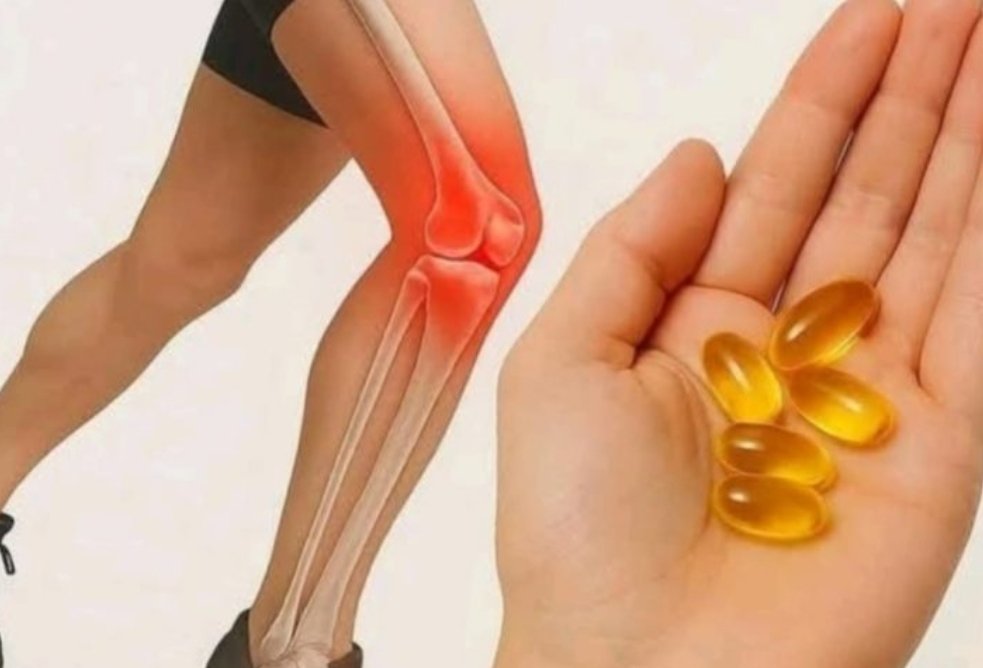

Have you ever experienced leg pain without knowing exactly why it is happening? Maybe you have also noticed weak bones, bone discomfort, or muscle cramps that seem to appear at night. Sometimes, these symptoms may be your body’s way of showing that it is not getting enough of an important vitamin or mineral.
One nutrient that plays an important role in keeping bones and muscles healthy is vitamin D. When the body does not have enough vitamin D, it can affect calcium absorption and may contribute to problems with bone and muscle health. Let’s look at why vitamin D matters and how you can get enough of it.
Vitamin D Deficiency: A Common Reason for Bone Pain
If you frequently experience leg discomfort or have concerns about weak bones, vitamin D deficiency is one possible factor to consider. Vitamin D helps the body absorb calcium, an essential mineral needed to maintain strong and healthy bones.
When vitamin D levels are too low, the body may have difficulty absorbing enough calcium from food. This can affect normal bone and muscle function.
A deficiency may be associated with:
- Muscle weakness
- Persistent bone pain
- An increased risk of fractures
However, these symptoms can have many different causes. Leg pain or bone pain does not automatically mean that you have a vitamin D deficiency. If symptoms continue or are severe, it is important to speak with a healthcare professional and consider appropriate testing.
How to Get Enough Vitamin D
There are several ways to support healthy vitamin D levels through everyday habits and, when needed, medical guidance.
Get Safe Sun Exposure
Sunlight helps the body produce vitamin D naturally. The original guidance suggests getting around 10 to 30 minutes of sun exposure per day, with the arms and face uncovered.
It recommends choosing times before 11 a.m. or after 3 p.m. to reduce the risk of sunburn.
The amount of sunlight needed can vary depending on factors such as skin type, season, location, clothing, and the amount of skin exposed. Avoid prolonged exposure that causes sunburn and follow local sun-safety advice.
Focus on Vitamin D-Rich Foods
Food can also contribute to your vitamin D intake. Consider including foods such as:
- Oily fish, including salmon and sardines
- Egg yolks
- Certain mushrooms
- Fortified dairy products
Including a variety of these foods in your diet can help support overall nutrition and bone health.
Consider Supplements When Necessary
If testing shows that you have a vitamin D deficiency, a healthcare professional may recommend a vitamin D3 supplement.
Supplements are not necessary for everyone, and the appropriate amount depends on individual needs. It is better to discuss supplementation with a doctor rather than taking high doses on your own.
Other Deficiencies That Can Affect Bones and Muscles
Vitamin D is important, but it is not the only nutrient involved in healthy bones and muscles. Other vitamins and minerals also play important roles in normal body function.
For example, calcium is essential for maintaining bone strength, while several other nutrients support normal muscle and bone function.
If you regularly experience unexplained leg pain, muscle weakness, nighttime cramps, or bone discomfort, do not assume that one vitamin is always responsible. A healthcare professional can help determine the possible cause and recommend appropriate tests if needed.
When Should You Seek Medical Advice?
Occasional muscle discomfort can happen for many everyday reasons, but persistent or unexplained pain deserves attention.
Consider speaking with a healthcare professional if you have ongoing bone pain, repeated muscle weakness, frequent cramps, or symptoms that interfere with normal daily activities. Medical evaluation can help identify whether a nutritional deficiency or another condition may be contributing to the problem.
Final Thoughts
Vitamin D plays an important role in calcium absorption and supports healthy bones and muscles. A deficiency may be associated with muscle weakness, persistent bone pain, and a greater risk of fractures.
Getting appropriate sunlight, eating foods that provide vitamin D, and using supplements when medically recommended can all help support healthy vitamin D levels. At the same time, unexplained leg or bone pain should not automatically be blamed on vitamin D deficiency because many different factors can cause these symptoms.
If you are concerned about your vitamin D levels, a healthcare professional can help you determine whether testing or supplementation is appropriate.